Understanding Leg Edema:
One of the common concerns I hear from my patients is about leg swelling, or edema. It’s that feeling of heaviness, puffiness, and sometimes even a little discomfort in the lower legs and ankles. While many factors can contribute to edema, when it’s linked to blood vessel issues, it often points to an underlying imbalance in the body’s fluid dynamics and circulation.

Why Your Legs Might Be Swelling: A Closer Look at Circulation
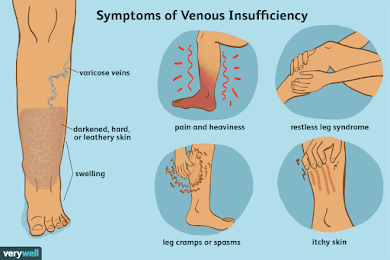
From a Western medical standpoint, leg edema due to blood vessel issues often involves the venous system. Our veins are equipped with tiny, one-way valves that work diligently to push deoxygenated blood back up to the heart, defying gravity. When these valves weaken or become damaged—a condition known as chronic venous insufficiency (CVI)—blood can pool in the lower legs. This increased pressure within the veins forces fluid to leak out of the capillaries and accumulate in the surrounding tissues, leading to that tell-tale swelling.
Other vascular concerns can also contribute:
- Deep Vein Thrombosis (DVT): This is a more acute and serious condition involving a blood clot in a deep vein, typically in the leg. It causes sudden, often painful swelling, usually in one leg. If you suspect a DVT, it’s crucial to seek immediate medical attention.
- Varicose Veins: While often seen as a cosmetic issue, significant varicose veins can reflect underlying venous insufficiency, contributing to fluid retention.
The TCM View: When Spleen, Kidney, and Lung Aren’t Happy
In Traditional Chinese Medicine (TCM), we look at edema through a different lens, often seeing it as a manifestation of dampness accumulation and a dysfunction in the body’s water metabolism. The primary organ systems involved are typically the Spleen, Kidney, and Lung.
- Spleen: In TCM, the Spleen is central to transforming and transporting fluids. If the Spleen’s function is weak, it can’t properly move fluids, leading to dampness and swelling.
- Kidney: The Kidneys are considered the “root of life” and play a vital role in water metabolism, regulating the body’s fluids and their excretion. Kidney Qi deficiency can lead to fluid retention.
- Lung: The Lungs govern the “water passages” and help disperse fluids throughout the body. Lung dysfunction can also contribute to fluid stagnation.
When these systems aren’t working harmoniously, it can lead to the fluid imbalances we see as edema.
How Acupuncture Can Help: Tapping into Fluid Balance
As an acupuncturist, my approach to leg edema involves identifying the underlying TCM pattern and then selecting specific acupuncture points to restore balance. Acupuncture aims to:
- Strengthen Organ Systems: By stimulating specific points, we can support the Spleen’s ability to transform and transport fluids, bolster Kidney Qi for proper water metabolism, and ensure the Lungs are effectively dispersing fluids.
- Promote Circulation: Acupuncture can help improve the smooth flow of Qi and blood, which in turn can reduce stagnation and help drain excess fluid.
- Reduce Inflammation: While not always the primary focus, acupuncture can have anti-inflammatory effects that may indirectly help with swelling.
Here are some of the acupuncture points I commonly consider for managing leg edema, chosen for their actions in resolving dampness, strengthening related organs, and improving circulation:
- Spleen 9 (SP9 – Yinlingquan): Located on the inner lower leg, this is a master point for draining dampness and resolving edema, especially in the lower limbs. It’s often my go-to point for swelling.

- Spleen 6 (SP6 – Sanyinjiao): Situated just above the inner ankle, SP6 is a powerful intersection point of the Spleen, Liver, and Kidney meridians. It’s incredibly versatile, addressing fluid retention, gynecological issues, and digestive imbalances.
- Kidney 7 (KD7 – Fuliu): Found on the inner leg, above the ankle, KD7 is key for reinforcing Kidney Qi and helping with fluid regulation, particularly for edema related to Kidney function.
- Stomach 36 (ST36 – Zusanli): A foundational point on the outer lower leg, ST36 strengthens overall Qi and blood, supports digestion, and can assist in fluid balance by improving the body’s overall vitality.
- Conception Vessel 9 (CV9 – Shuifen): Located on the abdomen, this point directly influences water metabolism and is often used for generalized edema.
It’s essential to understand that acupuncture is a complementary therapy. While highly effective for many conditions, it works best as part of a comprehensive health plan. If your edema is severe, sudden, or accompanied by other alarming symptoms, please consult your medical doctor first to rule out conditions like DVT, heart failure, or kidney disease. Acupuncture can then play a significant role in ongoing management and symptom relief.
Beyond the Needles: Lifestyle for Less Swelling
Alongside acupuncture treatments, I often advise patients on lifestyle adjustments to support their progress:
- Elevate Your Legs: Whenever possible, elevate your legs above heart level, especially after a long day.
- Compression Stockings: Your medical doctor might recommend these; they provide external support to your veins, preventing fluid pooling.
- Stay Active: Regular movement, like walking, helps muscle contractions pump blood back up to the heart. Avoid prolonged standing or sitting.
- Mindful Hydration: Don’t cut back on water! Adequate hydration helps your body process fluids more efficiently.
- Dietary Awareness: Reducing excessive sodium intake can help prevent fluid retention.
My goal as an acupuncturist is to help your body rediscover its innate ability to balance and heal. By addressing the root causes of fluid imbalance and supporting your body’s vital functions, we can often significantly reduce leg edema and improve your overall well-being.