From My Practice: Finding Relief from Venous Insufficiency with Traditional Chinese Medicine
As an acupuncturist, I often see patients grappling with the discomfort of venous insufficiency. It’s that frustrating condition where the veins, most commonly in your legs, just can’t seem to get the blood back up to your heart efficiently. This can lead to persistent swelling, aching pain, skin changes, and even those stubborn varicose veins or slow-healing ulcers. While Western medicine excels at diagnosing this with tools like Doppler ultrasound, my approach, rooted in Traditional Chinese Medicine (TCM), delves deeper to address the underlying imbalances causing these issues.
Understanding Venous Insufficiency: The Western Lens
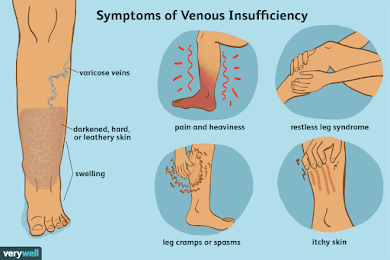
From a Western perspective, venous insufficiency often boils down to a plumbing problem: the valves within your veins are damaged or simply aren’t closing properly. Think of these valves as one-way gates that push blood upward against gravity. When they fail, blood pools in your lower legs. Factors like a history of Deep Vein Thrombosis (DVT), spending too much time standing or sitting, obesity, pregnancy, smoking, or a family history can all contribute. The symptoms are usually quite clear:
- Swelling: Especially in your ankles and legs, often worse by day’s end.
- Pain and Heaviness: Aching, cramping, or a profound feeling of fatigue in your legs.
- Skin Changes: Discoloration (often reddish-brown or darker), itchiness, dryness, or thickening of the skin.
- Varicose Veins: Those visible, enlarged, and twisted veins.
- Ulcers: Open sores, frequently around the ankles, that are notoriously slow to heal.
My TCM Perspective: It’s All About Balance
In my practice, I don’t just see a problem with valves. I see a story of imbalance within your body’s vital energies, particularly involving your Spleen, Kidney, and Liver organ systems, and the smooth flow of Qi (your life force) and Blood.
Allow me to explain:
- The Spleen in TCM is a powerhouse. It’s not just about digestion; it’s crucial for transforming food into the Qi and Blood your body needs. Crucially, the Spleen also has a function of “holding” blood within the vessels and maintaining the upward direction of Qi. If your Spleen Qi is weak, it can’t perform this “holding” action effectively, leading to fluid accumulation (that persistent swelling) and blood stagnation.
- Your Kidneys are considered the body’s fundamental reservoir of energy, governing Yin and Yang. A deficiency in Kidney Yang can manifest as coldness in the lower limbs and sluggish circulation, making blood stagnation even worse.
- The Liver is all about smooth flow – the unobstructed movement of Qi and Blood throughout your body. When Liver Qi gets stuck (stagnates), it can impede proper circulation, contributing to blood pooling and pain. Over time, chronic blood stagnation can even generate “heat,” which often shows up as those frustrating skin changes and inflammation.
My goal in TCM is always to get to the root of these imbalances, not just to chase symptoms.
How I Use Acupuncture and Herbs to Help
When you come to my clinic for venous insufficiency, I typically integrate both acupuncture and custom herbal formulas. These two modalities work beautifully together to restore balance, significantly improve circulation, and alleviate your symptoms.
Acupuncture: Unblocking Your Channels, Harmonizing Your Flow
Acupuncture involves inserting very fine needles into specific points along your body’s energetic pathways, called meridians. For venous insufficiency, my aim with acupuncture is to:
- Strengthen your Spleen Qi to better “hold” blood in your vessels and resolve dampness (swelling).
- Invigorate your Blood circulation to move stagnant blood and ease that heavy, aching pain.
- Clear Heat and reduce inflammation, especially if you’re experiencing skin changes or ulcers.
- Tonify Kidney Yang if I find that deficiency, to warm your lower body and improve overall circulation.
Here are some of the key acupuncture points I frequently use, and why:
- SP6 (Sanyinjiao – Three Yin Intersection): This point, located above your inner ankle, is incredibly versatile. It strengthens the Spleen, resolves dampness, harmonizes the Liver and Kidneys, and truly invigorates blood. It’s fantastic for swelling and overall circulatory concerns.
- SP9 (Yinlingquan – Yin Mound Spring): Found on the inner aspect of your lower leg, below the knee, this is a primary point for resolving dampness and swelling, and fortifying the Spleen.
- ST36 (Zusanli – Leg Three Miles): Located below the kneecap on the outer aspect of the lower leg, this is a powerhouse point for boosting Spleen and Stomach Qi, enhancing your overall energy, and improving circulation in the lower limbs.
- BL40 (Weizhong – Popliteal Center): Right in the middle of the crease behind your knee, this point is a major player for invigorating blood, clearing stagnation, and addressing pain and discomfort in the lower back and legs. It’s often very effective for varicose veins and leg pain.
- LV3 (Taichong – Great Rushing): Found on the top of your foot, between the first and second toes, this point helps regulate Liver Qi, which is essential for the smooth flow of blood, and can ease pain and tension.
- KI3 (Taixi – Great Stream): Located behind your inner ankle bone, this point nourishes both Kidney Yin and Yang, supporting overall circulation and addressing any underlying Kidney deficiencies that might be contributing to your condition.
- I also often use distal points on the hands and arms. These points create a systemic effect, helping to promote overall circulation and balance throughout your body.
(Remember, the specific combination and stimulation of points I use are always tailored precisely to your unique diagnosis and presentation.)
Herbal Medicine: Cultivating Internal Harmony for Healing
Alongside acupuncture, I often prescribe custom TCM herbal formulas. These aren’t just random herbs; they are carefully selected to address the specific root imbalances I’ve identified in your case:
- To Tonify Spleen Qi, I might use herbs like Huang Qi (Astragalus) and Bai Zhu (Atractylodes macrocephala), which are excellent for strengthening the Spleen, improving its ability to transform and transport fluids, and “lifting” your Qi.
- To Invigorate Blood Circulation, herbs such as Chuan Xiong (Sichuan Lovage Rhizome), Dang Gui (Chinese Angelica Root), and Chi Shao (Red Peony Root) are fantastic for promoting blood flow, resolving stagnation, and easing pain.
- To Clear Dampness and Reduce Swelling, herbs like Fu Ling (Poria Mushroom) and Ze Xie (Alisma Rhizome) help to effectively drain excess fluid.
- If ulcers are present, I might use herbs to Cool Blood and Stop Bleeding, like Di Yu (Sanguisorba Root) and Pu Huang (Typha Pollen), to aid in healing.
- And for those pesky skin changes, especially dryness, herbs like Sheng Di Huang (Rehmannia Root, Raw) can help Nourish Yin and Moisten Dryness.
Every herbal formula I prescribe is customized after a comprehensive diagnosis, taking into account your individual constitution, your specific symptoms, and the underlying TCM patterns at play.
Your Path to Wellness
In my experience, Traditional Chinese Medicine offers a powerful, complementary path to managing venous insufficiency. By addressing the root imbalances within your body’s intricate energy systems, acupuncture and herbal medicine can significantly help to reduce swelling, alleviate pain, improve your circulation, and promote overall healing. If you’re experiencing the challenges of venous insufficiency, I invite you to explore how TCM can make a profound difference in your well-being.


